Custom & restoration
Restoring a classic car or vintage bike: where to start
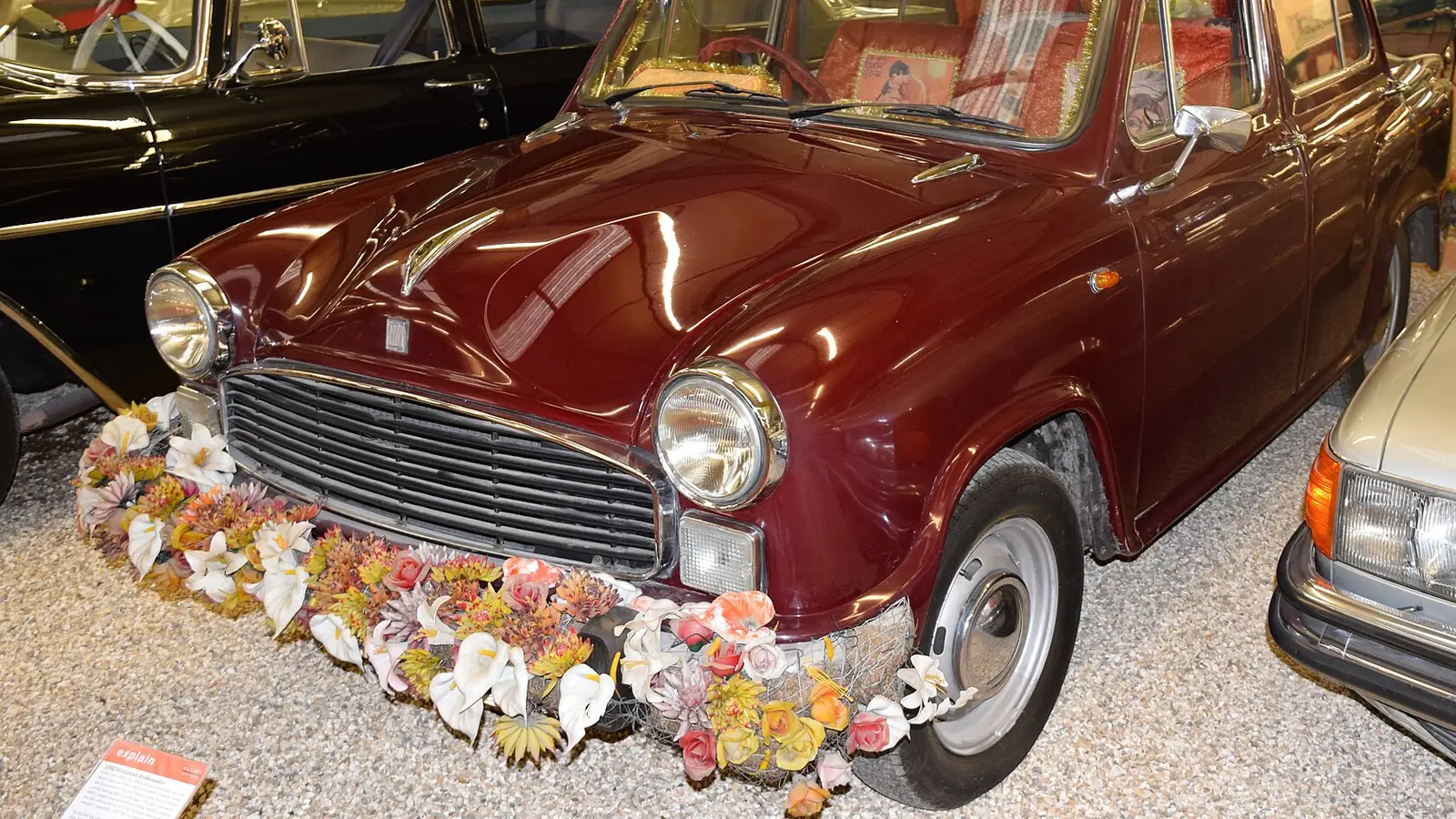
An old Ambassador in the family, a Yezdi in the shed, the RX100 you've wanted since college: classics are worth saving. Here's how to plan a paint restoration so it stays true to the original and free of nasty surprises.
In short
- Decide the goal first: original, sympathetic or restomod. It shapes every decision after.
- Inspect for rust and old filler before you budget. That's where the surprises hide.
- Sort the papers early: the RC, re-registration and whether vintage registration applies.
- Strip the old paint, and repair rust with new metal, not filler.
- Find the original colour in hidden areas and test it on a sample panel.
Decide what kind of restoration you want
"Restoration" means different things to different people. Agreeing on the goal at the start saves arguments, and money, later on.
- Original: everything as it left the factory, down to the colour, badges and trim. The most demanding kind.
- Sympathetic: faithful to the original look, but with modern paint, a modern clear coat and practical upgrades you can't see.
- Restomod: a classic body with modern touches, such as a new colour, better brakes or modern lights.
If you're thinking about vintage registration (more on that below), staying close to original matters, because the rules don't allow substantial changes to the chassis, body shell or engine.
Classics worth restoring
Every region has its favourite classics. In Tamil Nadu, the ones people most want to bring back include:
- Cars: the Hindustan Ambassador, Premier Padmini, early Maruti 800s and Gypsys, and Mahindra and Willys jeeps.
- Bikes: the Yamaha RX100 and RX135, Royal Enfield Bullets, Jawas and Yezdis, Rajdoots, the Suzuki Samurai and Shogun, and the Hero Honda CD100.
- Scooters: the Bajaj Chetak, Lambrettas and Vespas.
Vehicles like these were built simply, which makes them good restoration projects. Panels can usually be repaired, and many mechanical parts are still available.
Inspect before you budget
The paint is the visible part of a restoration, but the budget is decided underneath it. Before you commit, check:
- Rust: on cars, the floor pans, sills, door bottoms, wheel arches, boot floor and the area around the windscreen. On bikes, the frame, the underside of the tank and the mudguards. Press gently on suspicious areas. Soft or flaking metal means cutting and welding, not just paint.
- Old filler: a small magnet sticks firmly to steel but weakly, or not at all, to thick filler. Run one along the panels to find old repairs.
- Accident damage: uneven panel gaps, doors that don't shut cleanly, or a frame that doesn't sit straight.
- Missing parts: badges, chrome, lamps, trims and rubbers can be harder to find than the vehicle itself. Make a list of what's missing early.
Sort the paperwork early
A beautiful restoration you can't legally drive or ride is a sad thing. Before the money goes into paint:
- Check the RC. The chassis and engine numbers on the vehicle should match the RC, and the owner's name should be right or transferable. If you've just bought the vehicle, transfer the ownership first.
- Re-registration: private vehicles older than 15 years need their registration renewed, which includes a fitness check, to stay on the road.
- Vintage registration: in 2021, the Ministry of Road Transport and Highways introduced a special registration for vintage vehicles more than 50 years old that are kept in their original form, with "VA" series number plates. These vehicles are meant for exhibitions and occasional rides, not daily use. Ask your RTO whether yours qualifies.
Strip down, and document everything
Before anything comes apart, take photos from every angle, then photograph each stage of the disassembly. Bag and label bolts, clips and small parts. It feels slow at the time, but it's the difference between a smooth rebuild and weeks spent working out where a bracket goes.
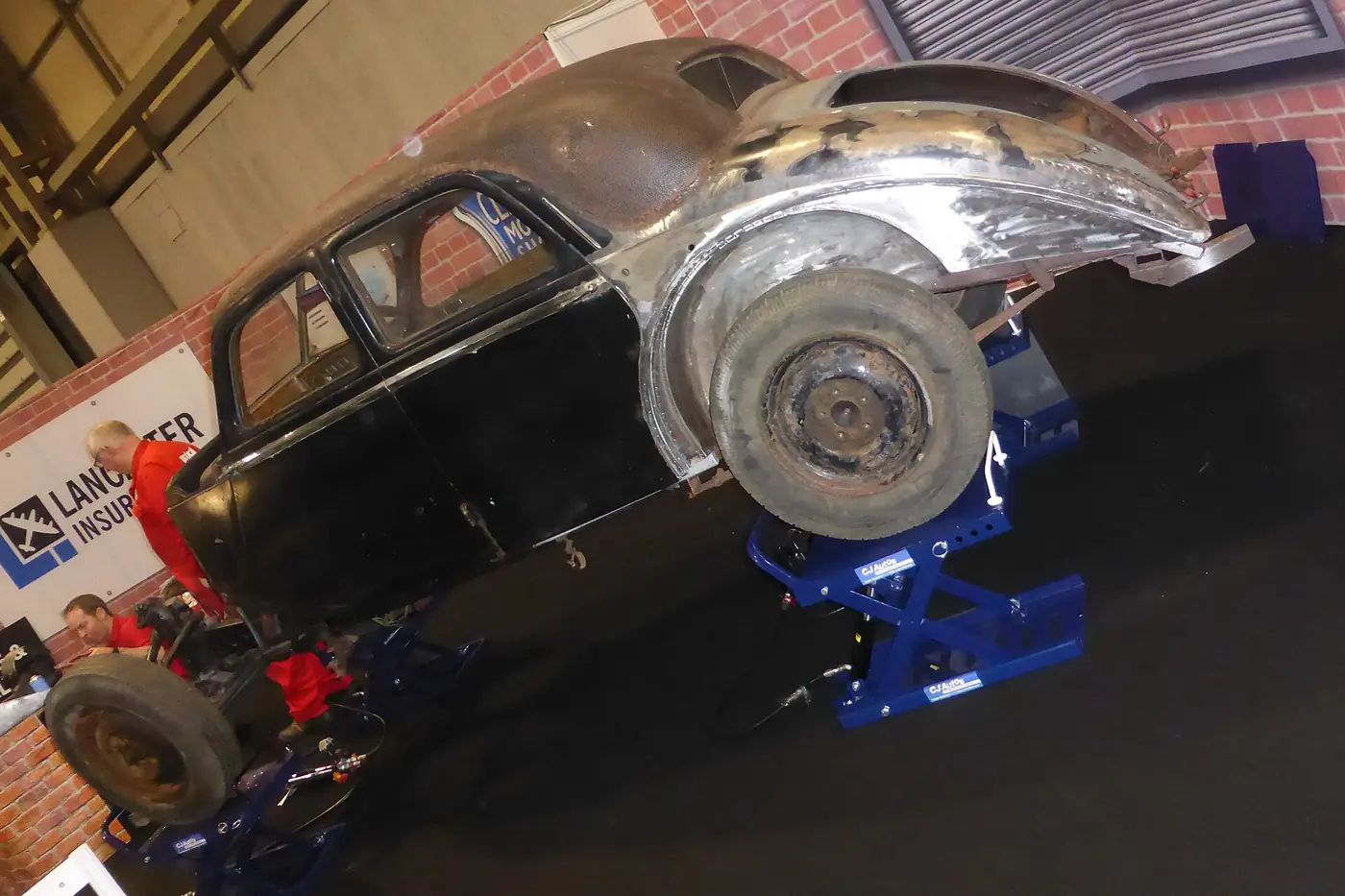
Taking the paint back to metal
An old vehicle has often been repainted several times, sometimes over rust and filler. New paint on top of that is a gamble. For a proper restoration, the old paint comes off down to bare metal, so every problem is visible and the new paint bonds to a clean, sound surface. Panels are then treated, primed and sealed quickly, because bare steel starts rusting fast in humid weather.
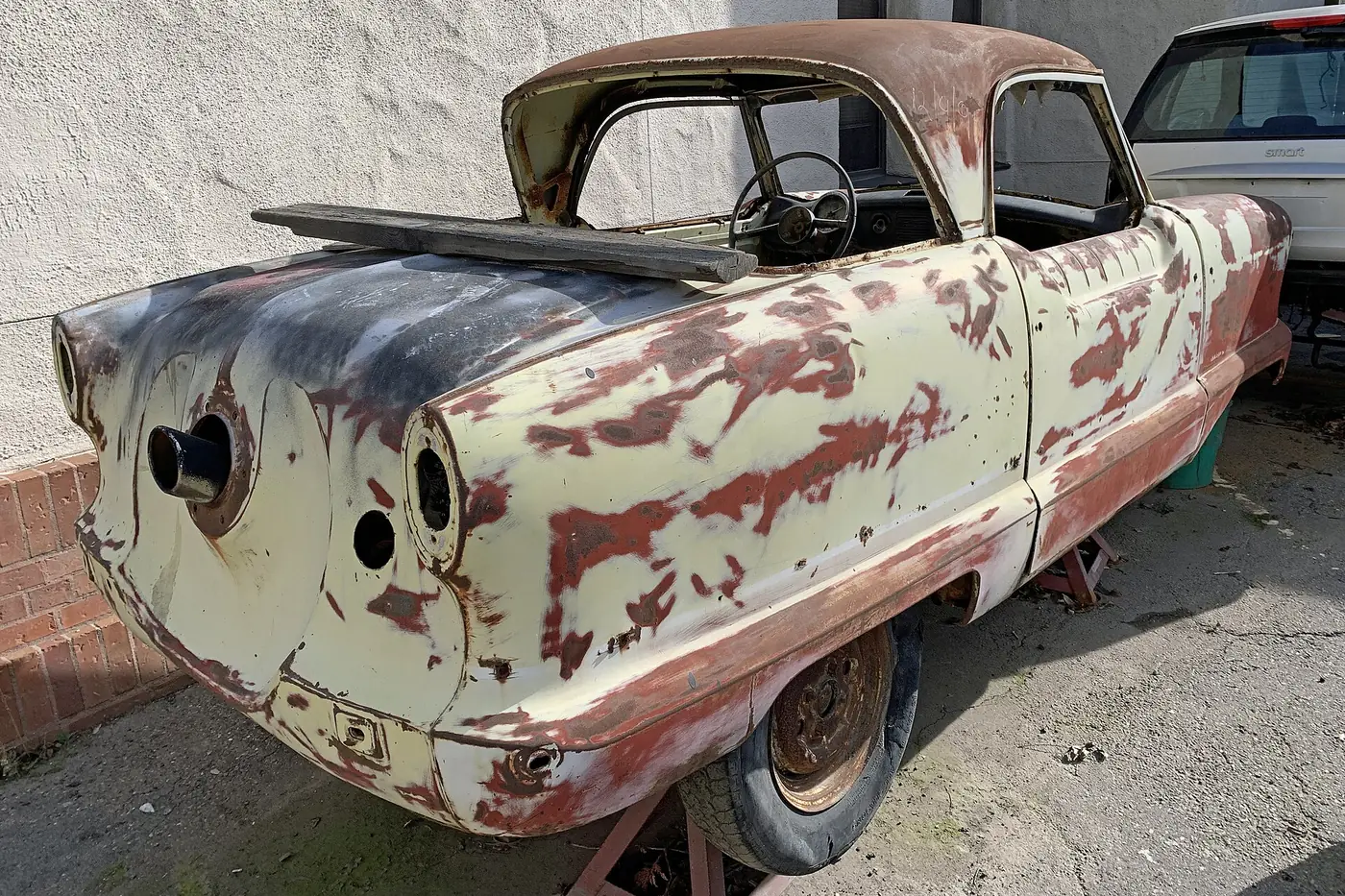
Repair rust with metal, not filler
Surface rust can be sanded back and treated. Rust that has eaten through the metal needs the bad section cut out and new steel welded in, then shaped and finished. Packing a rust hole with filler and painting over it looks fine for a few months, then bubbles straight back through. On a restoration, this is the one place you shouldn't cut corners.
Choosing a period-correct colour
Many classic colours aren't sold off the shelf any more, and the paint you can see has usually faded or been changed. To find the original shade:
- Look in hidden places: under the dashboard, inside the glovebox, behind the trims, or under the tank badges and inside the toolbox on a bike. These areas are protected from the sun and often keep the original colour.
- Check the records: the RC lists the colour name, and owners' clubs and old brochures can help pin down the exact shade.
- Bring a part: an original panel, cover or badge in the factory colour is the best reference of all.
We match and mix to your reference, then spray a sample panel so you can see it in daylight before the vehicle is painted. Many older vehicles left the factory in single-stage paint. A modern clear coat over the colour gives far better protection against today's sun, while keeping the original colour and character.
Chrome, badges and trim
Chrome bumpers, grilles, tank badges and wheel rims make or break a classic. Some can be re-chromed or polished, some can be reproduced, and some have to be hunted down through clubs and online sellers. Start looking early, because the right part can take longer to find than the paint takes to finish.
How long a restoration takes
A cosmetic repaint of a sound classic bike can be done fairly quickly. A full strip-and-rebuild with rust repair, especially on a car, takes weeks or months, and the timeline depends heavily on parts. A good restorer gives you the timeline in stages and keeps you updated as the vehicle comes apart, because nobody knows exactly what's under 40-year-old paint until it's off.
Questions we get asked
Is it worth restoring an old car or bike?
If it has sentimental value, or it's a model people love, often yes. A restoration rarely makes money on paper, but a well-restored classic holds its value far better than a neglected one, and you end up with a vehicle that has a story.
Can you match the original factory colour of a vintage vehicle?
Usually, yes. Bring us a part in the original colour, or we'll find an unfaded area on the vehicle. We mix to that reference and spray a sample panel for you to approve in daylight.
Should the engine be restored before or after the paint?
Plan both together. Mechanical work can damage fresh paint, so major engine and frame work is generally done before the final paint, or with the painted parts removed and stored safely.
Does vintage registration apply to my vehicle?
It's meant for vehicles more than 50 years old that are kept in their original form, without substantial changes to the chassis, body or engine, and used for exhibitions and occasional rides rather than daily use. Check the current rules with your RTO before you plan any modifications.

Written by the Rebooterz teamWe're a car and bike paint and bodywork garage in Thiruverumbur, Trichy. Over five years we've finished more than 120 vehicles, from scratch and dent repairs to full resprays, airbrush art and restorations, and we now buy and sell used bikes too. More about us.