Paint & bodywork
Protecting your car's paint from Trichy's sun and monsoon
Strong sun, summer heat, hard water and a heavy monsoon: Trichy's weather tests car paint every day of the year. A few habits make a big difference to how long your paint stays glossy.
In short
- UV light, not heat alone, is what breaks down clear coat. Shade is the cheapest protection there is.
- Wash in the shade with car shampoo, never detergent, and dry the car so hard water doesn't spot.
- Get bird droppings, tree sap and fuel off the paint the same day.
- Before the monsoon, seal stone chips and clear the drain holes so rust can't start.
- A fresh paint job needs gentle care for its first few weeks while it fully hardens.
What sun and heat actually do to paint
Trichy's summers are among the hottest in Tamil Nadu, with peak days in April and May crossing 40°C and strong sun for most of the year. Heat softens paint slightly, but the real damage comes from ultraviolet light. UV slowly breaks down the clear coat that protects your colour, in stages:
- Dulling: the shine goes flat and the colour looks slightly washed out.
- Oxidation: the surface turns chalky. On some colours you can wipe a faint powder off with a finger.
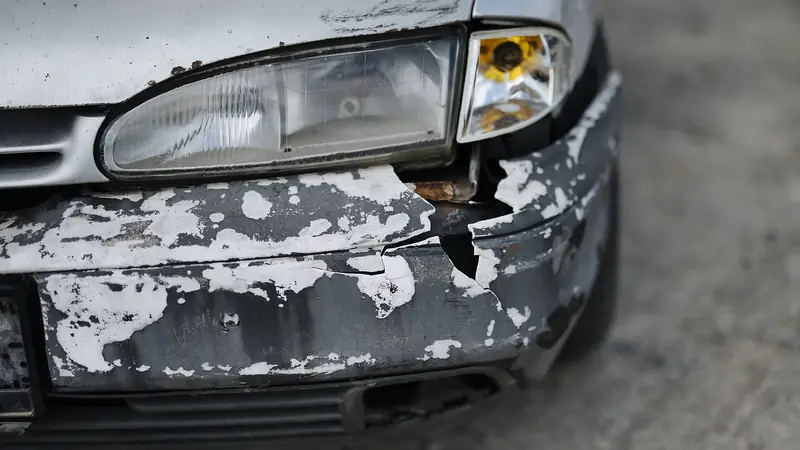
- Clear coat failure: the clear goes cloudy or white, then starts lifting and peeling, usually in patches.
Horizontal surfaces go first because they face the sun all day: the roof, the bonnet and the boot lid. That's why you see so many cars around town with a peeling roof and perfectly good doors.
Dark colours get much hotter in the sun than white or silver, and older single-stage reds and blacks (paint with no separate clear coat) fade fastest of all.
Park like the sun is the enemy
Where your car spends the day matters more than any product you put on it.
- Covered parking beats everything. A carport, a basement or even a shade net over your parking spot cuts UV exposure dramatically.
- Think about the afternoon. If you only have partial shade, park so the car is covered in the afternoon, when the sun is at its harshest.
- Be careful with trees. Shade from a tree is welcome, but trees that drip sap or attract birds can do more damage to paint than the sun.
Are car covers a good idea?
A good, breathable cover on a clean car protects against sun and dust. A cheap, thin cover can do more harm than good: it flaps in the wind and rubs dust into the paint like sandpaper, and in the monsoon it traps moisture against the body. If you use one, put it on a clean, dry car, make sure it fits snugly, and take it off after rain so the car can dry out.
Wash it the right way
Most swirl marks and fine scratches come from washing, not driving. A few rules:
- Wash in the shade, on a cool panel. Water and shampoo dry almost instantly on a hot bonnet and leave spots.
- Use a proper car shampoo. Dishwashing liquid and detergent powder strip wax and dry out rubber and plastic trims.
- Use two buckets: one with shampoo, one with plain water to rinse the mitt, so you're not rubbing grit back into the paint.
- Use microfibre, not old cloths. Old T-shirts and cotton rags drag dirt across the surface.
- Dry it straight away. This matters most if you wash with borewell water. Hard water leaves mineral spots that bake into the clear coat in the sun and can be difficult to remove.
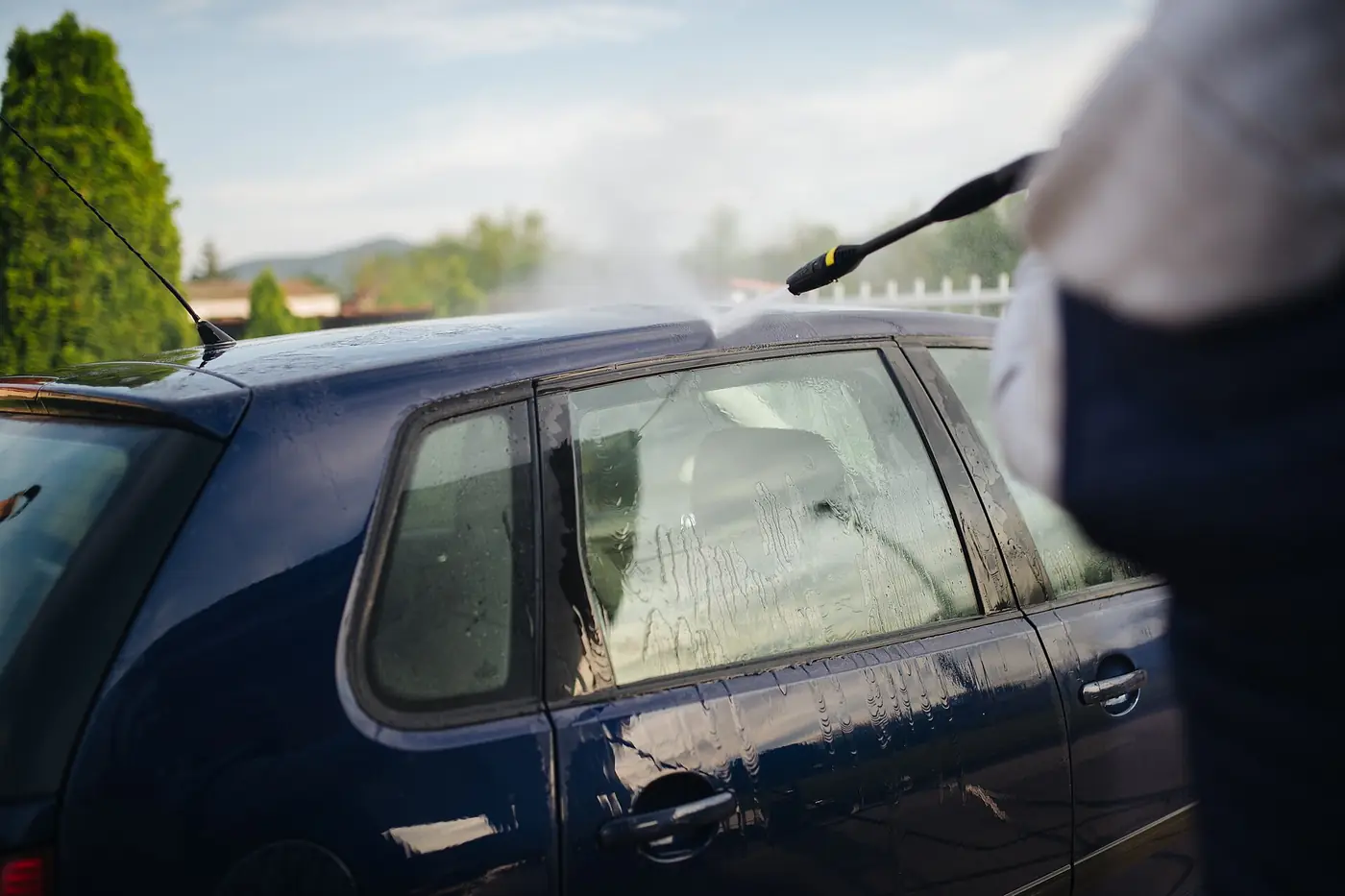
Avoid dry-wiping a dusty car with a cloth or a feather duster in the morning. It's quick, but it's one of the fastest ways to cover your paint in fine scratches.
Bird droppings, tree sap and fuel: same day
Bird droppings are acidic, and in strong sun they can etch into the clear coat within hours, leaving a dull mark that stays after the dropping is gone. Tree sap hardens and bonds to the paint. Petrol spilled at the pump softens the paint around the filler cap, and on bikes it dulls the tank.
Soften the spot with water or a quick-detailer spray, let it sit for a minute, then lift it off gently. Don't scrub it dry. Keeping a small spray bottle and a clean microfibre cloth in the car turns this into a 30-second job.
Wax, sealant or ceramic coating?
All three put a sacrificial layer on top of your clear coat, so UV and dirt attack that layer instead of your paint.
| Protection | What it is | Roughly lasts | Good for |
|---|---|---|---|
| Wax | Natural or synthetic wax, applied by hand | A few weeks in strong sun | Owners who enjoy regular care |
| Paint sealant | A synthetic polymer layer | A few months | Low-effort protection between washes |
| Ceramic coating | A hard, chemical-resistant coating applied after polishing | One to several years, depending on the product and care | Newer or freshly painted cars you plan to keep |
A ceramic coating makes washing easier and resists bird droppings and water spots better, but it isn't armour. It won't stop stone chips or deep scratches, and it's only as good as the paint underneath, so any defects should be corrected before it goes on.
Getting ready for the monsoon
Trichy gets most of its rain from the northeast monsoon, roughly October to December, with heavy showers in other months too. Rain doesn't hurt good paint. Water reaching bare metal does. Before the rains:
- Seal stone chips and deep scratches. Any chip down to the metal is where rust starts. Touch it up or get it repaired now, not once it's bubbling.
- Clear the drain holes. Doors, the boot and the area under the windscreen have small drain holes. When leaves block them, water sits inside the panels and rusts them from the inside out.
- Rinse off mud. After driving through flooded or muddy roads, rinse the wheel arches, sills and underbody. Wet mud holds moisture against the metal for days.
- Let the car dry. Don't throw a cover over a wet car, or leave it wet in a closed garage for long periods.
Bikes and scooters need care too
Two-wheelers spend even more time in the sun than cars. Tanks and side panels fade, and petrol spills dull the paint around the filler cap. Park in the shade where you can, wipe fuel spills off immediately, and avoid magnetic tank bags or rough tank covers that grind dust into the paint. A seat cover alone won't protect the tank.
Caring for a fresh paint job
Paint feels dry when you collect your car, but it keeps hardening for weeks afterwards. How long depends on the paint system, so always follow your painter's advice. As a general guide for the first few weeks:
- Hand wash only, gently, with plain car shampoo. No automatic car washes, and no pressure washer close to the new paint.
- Don't wax, seal or ceramic coat it until your painter says the paint has fully cured.
- Park in the shade where possible, and avoid wrapping it in a tight cover.
- Clean off bird droppings and fuel immediately. Fresh paint is softer and marks more easily.
- Don't stick anything onto the new paint, like stickers, tape or magnetic signs.
When care isn't enough
Polishing and protection can bring back dull, oxidised paint, but they can't fix paint that has failed. It's time to talk to a painter when you see:
- Clear coat that has turned white, cracked or started peeling
- Bubbles or blisters, which usually mean rust underneath
- Bare metal showing through chips or scratches
- Patches that go dull again within a week of polishing
Catching these early usually means repairing one or two panels instead of repainting the whole car. Here's how to tell which repair you need.
Questions we get asked
How often should I wax my car in Trichy?
Wax breaks down quickly in strong sun, so every three to four weeks is a good rhythm for a car that's parked outdoors. A synthetic sealant lasts longer and suits people who don't want to wax that often.
Does a ceramic coating stop scratches?
No. It resists fine wash marks, bird droppings and water spots better than bare clear coat, and it makes the car easier to clean, but stone chips and deep scratches go straight through it.
Is it safe to use a pressure washer on car paint?
On sound paint, at a sensible distance, yes. Keep the nozzle away from chips, peeling edges and fresh paint, because a high-pressure jet can lift paint that's already loose.
Why is my car's roof peeling when the doors are fine?
The roof faces the sun all day, so its clear coat takes far more UV than the doors and sides. Once clear coat starts to peel it can't be polished back, so that area needs repainting.

Written by the Rebooterz teamWe're a car and bike paint and bodywork garage in Thiruverumbur, Trichy. Over five years we've finished more than 120 vehicles, from scratch and dent repairs to full resprays, airbrush art and restorations, and we now buy and sell used bikes too. More about us.